The rise of plant-based diets has sparked interest in high protein options. For global buyers, this trend signifies both a health choice and a sustainable lifestyle. Yet, understanding how to formulate high protein foods with plant ingredients requires expertise.
Many consumers seek effective sources of plant protein, yet the choices can be overwhelming. Ingredients like lentils, chickpeas, and quinoa stand out for their nutritional profiles. However, blending different sources can enhance the amino acid profile of these foods. This approach is essential for those striving for a balanced diet.
Yet, not all plant-based proteins are created equal. Some may lack certain essential amino acids. Buyers must reflect on their needs and preferences while exploring high protein options. This complexity highlights the importance of expert guidance. As we examine the best high protein plant-based foods for 2026, the focus will remain on proven ingredients and formulation techniques that satisfy both taste and nutrition.
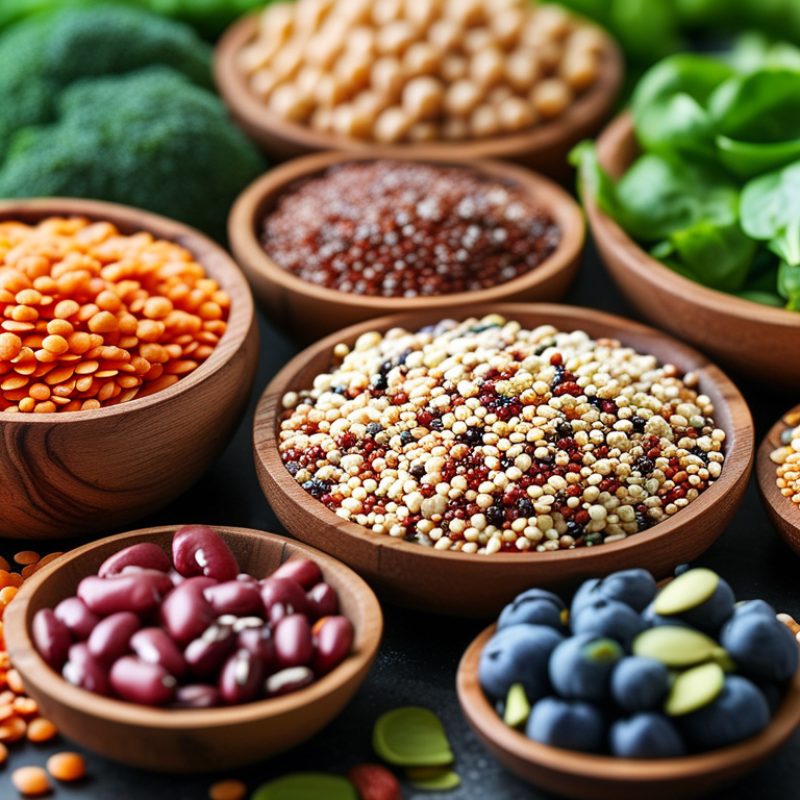
2026 Overview of High Protein Plant-Based Foods for Global Buyers
As the global demand for plant-based proteins rises, understanding high-protein options is crucial. Reports show that nearly 60% of consumers seek plant-based diets. This shift reflects a growing interest in health and sustainability.
Legumes, such as lentils and chickpeas, lead the market with protein content. Lentils contain about 18 grams of protein per cooked cup. They also offer fiber, which aids digestion. Peas are another source, providing 8 grams of protein per half-cup. This versatility makes them ideal for various dishes.
However, sourcing these foods poses challenges. Not all regions have equal access to high-protein plant foods. Additionally, the quality of protein can vary based on soil health and farming practices. Some consumers may find it hard to meet their protein needs solely through plants. This discrepancy highlights the importance of continued research in this space. As the market evolves, solutions must address nutritional gaps for all.
Key Nutritional Benefits of High Protein Plant-Based Foods
High protein plant-based foods serve as a key nutritional component for many individuals. These food sources are versatile and packed with essential nutrients. They offer a great way to support muscle repair and overall health while being environmentally friendly. Incorporating beans, lentils, and quinoa into meals can provide significant protein benefits. These options are not only nutrient-dense but also accessible and affordable.
Exploring the benefits of high protein plant-based foods reveals their role in a balanced diet. They can help maintain weight and support heart health. Moreover, they often come with fibers that aid digestion. Foods like chickpeas and edamame may require adjustments in preparation to maximize their nutritional potential. Some may find it challenging to balance protein intake solely from plants. It’s important to consider eating a variety of these foods to meet protein requirements fully.
Navigating the world of plant-based proteins often sparks reflection on dietary habits. Not everyone may enjoy the texture or flavor of legumes or tofu. It's vital to experiment with spices and cooking methods to enhance their appeal. This process can lead to discovering new favorites while ensuring nutritional needs are met.
Comparative Analysis: Plant-Based Proteins vs. Animal Proteins
When exploring the nutritional landscape of proteins, the debate between plant-based and animal proteins is essential. Plant proteins come from various sources like legumes, nuts, and grains. They offer essential amino acids but may lack some that animal proteins provide. This can impact muscle building and overall nutrition. Understanding these differences is key for consumers.
One area where plant proteins shine is their fiber content. Compared to meats, which contain none, legumes and whole grains provide not just protein but also beneficial fiber. This aids in digestion and promotes a healthy gut. However, some individuals may find it challenging to consume enough protein solely from plants to meet their dietary needs.
Incorporating a mix of protein sources can help balance this. Combining different plant proteins, like beans and rice, creates a complete amino acid profile. For those transitioning to a plant-based diet, gradual incorporation is crucial. Start with familiar foods and slowly explore new options. Tackle any digestive discomfort with patience, as it may take time for the body to adjust. A diverse diet encourages nutrition and sustainability.
Top Plant-Based Protein Sources: 2026 Recommendations
Plant-based diets are gaining traction around the world. In 2026, it's essential to recognize high-protein sources that provide both nutrition and sustainability. Lentils stand out as a versatile option. They offer about 18 grams of protein per cooked cup. Use them in salads, soups, or even as a meat substitute in various recipes. Their high fiber content complements protein intake, promoting digestive health.
Chickpeas are another excellent choice. They contain around 15 grams of protein per cooked cup. Roasted chickpeas make for a crunchy snack, while hummus serves as a perfect dip. Innovations in chickpea-based products continue to emerge, offering exciting flavors and textures. Despite their popularity, some people may find chickpeas hard to digest. Soaking and cooking properly can help alleviate this issue.
Quinoa is often highlighted for its complete protein profile. It contains all nine essential amino acids. With around 8 grams of protein per cooked cup, it can be a hearty base for meals. This grain is a good source of magnesium and iron, contributing to overall health. However, quinoa can be an acquired taste for some. Flavoring with herbs and spices can enhance its appeal. Balancing variety in plant proteins ensures a rich nutrient intake without relying solely on one food.
2026 Best High Protein Plant Based Foods
This bar chart illustrates the top high protein plant-based foods for 2026 based on their protein content per 100 grams. These foods are essential for those seeking to increase their protein intake through plant-based sources.
Market Trends and Consumer Preferences in Plant-Based Foods
In recent years, the plant-based food market has experienced significant growth. Consumers are increasingly interested in high-protein options. This shift is partly driven by rising awareness of health benefits. Many buyers seek alternatives to animal proteins. They want foods with rich nutrients that also cater to their ethical beliefs.
Market research indicates diverse preferences among consumers. Some prioritize flavor over nutritional content. Others focus on sustainability and environmental impact. A segment of the market is particularly drawn to convenience. Ready-to-eat protein-packed snacks are gaining popularity. However, some consumers feel that availability remains a challenge. In many regions, high-quality options can be hard to find.
The demand for transparency is also on the rise. Buyers are looking for clear labeling and ingredient information. Questions often arise about protein sources and production methods. As consumer preferences evolve, brands must adapt to these needs. There's a growing expectation for innovation in taste and texture. For many, the journey to find the right product is still filled with frustrations.
FAQS
: Lentils, chickpeas, and quinoa are popular options. They offer substantial protein benefits and versatility in dishes.
Lentils contain about 18 grams of protein per cooked cup. They are excellent for salads and soups.
Some people may find chickpeas hard to digest. Soaking them properly can help reduce this issue.
Quinoa is a complete protein, containing all nine essential amino acids. It has around 8 grams of protein per cooked cup.
Consumers increasingly seek health benefits and options that align with their ethical beliefs. This trend is influencing choices.
Availability of high-quality options can be problematic in various regions. Some may struggle to meet protein needs solely through plants.
Some prioritize flavor, while others emphasize nutrition or sustainability. Convenience is also a growing concern among many shoppers.
Transparency in labeling and ingredient sourcing is important. This helps consumers understand what they are buying.
New flavors and textures are emerging, but many still face frustrations in finding suitable options that meet their expectations.
While many options exist, some consumers may struggle to meet their protein needs. Diversity in food choices is essential.
Conclusion
The article "2026 Best High Protein Plant Based Foods for Global Buyers" provides a comprehensive overview of the growing market for high protein plant-based foods. It highlights the key nutritional benefits these foods offer, emphasizing their role in promoting health and wellness. The comparative analysis of plant-based proteins versus animal proteins showcases how plant ingredients can be formulated to achieve similar or even superior protein content while catering to dietary needs.
The piece also recommends various top sources of plant-based protein for 2026, such as legumes, seeds, and nuts, that align with current market trends and consumer preferences. With the increasing demand for sustainable and healthy food options, understanding how to formulate high protein foods with plant ingredients is essential for producers and consumers alike. This evolving landscape not only supports better health outcomes but also encourages environmentally friendly eating habits.
