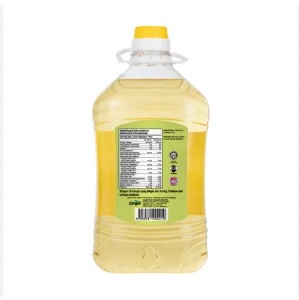
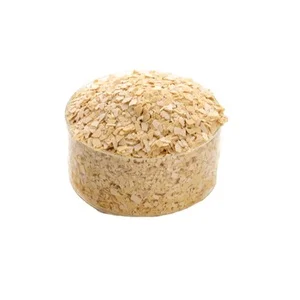
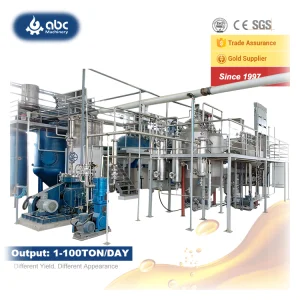
Featured Protein Formulations
Explore our premium range of oilseeds, canola-derived protein isolates, concentrates, and co-products engineered for food, nutrition, and feed systems globally.
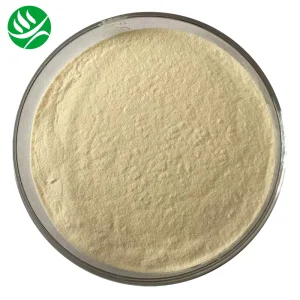

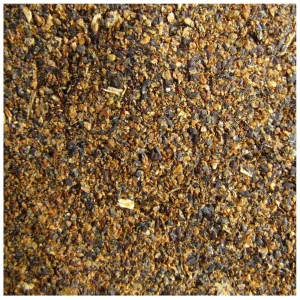
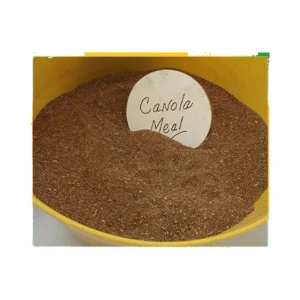
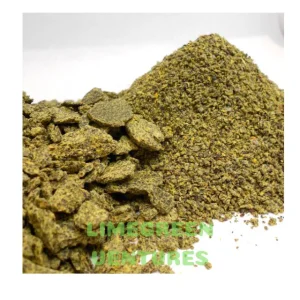
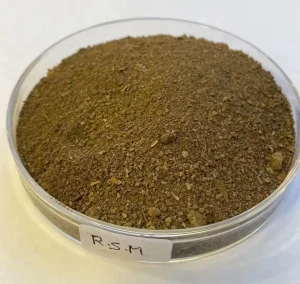
Canola Protein: The Next Frontier in Sustainable Plant Nutrition
As the global food supply chain faces dual pressures of population growth and ecological degradation, Canola Protein (Rapeseed Protein) has emerged as a disruptive macromolecular solution. Offering a complete amino acid profile comparable to animal proteins, and showcasing functionalities that rival soy and whey isolates, canola protein is quickly transitioning from a secondary oilseed derivative to a primary structural ingredient in human nutrition and high-yield animal health formulations.
Balanced Nutritional Value
Unlike many plant alternatives, canola protein contains all nine essential amino acids. Rich in sulfur-containing amino acids (methionine and cysteine), it complements lysine-rich proteins like pea isolates, providing a highly digestible PDCAAS (Protein Digestibility-Corrected Amino Acid Score) close to 1.0.
Superb Functionality
Featuring superior foaming, gelling, and emulsification capacity due to its distinct structural proteins—specifically Cruciferin (12S globulin) and Napin (2S albumin). These enable high performance across clean-label meat alternatives, bakery items, and dairy formulations.
Low Allergen Profile
As consumers move away from soy and wheat proteins due to allergen concerns, canola offers a non-GMO, gluten-free, and hypoallergenic profile. This is crucial for infant formulas, sports supplements, and clinical food options.
Global Procurement Demands & Industry Analysis
In the international commercial arena, purchasing departments face strict quality baselines. B2B buyers must evaluate not just the protein purity, but the reduction of anti-nutritional compounds such as phytates, glucosinolates, and phenolic compounds. High-efficiency downstream extraction methods, such as those implemented by premium Chinese manufacturers, isolate these compounds out, rendering a neutral-tasting, highly bioavailable end product.
| Protein Source | Protein Content (%) | PDCAAS Score | Key Limitation | Key Functional Advantage |
|---|---|---|---|---|
| Canola Protein Isolate | > 90% | 0.90 - 0.95 | Complex industrial extraction | Excellent gelling, high thermal stability |
| Soy Isolate | > 90% | 1.00 | Allergen concerns, estrogenic worries | Established supply chains, high yield |
| Pea Isolate | 80% - 85% | 0.60 - 0.70 | Strong earthy off-note, gritty texture | High consumer acceptance, allergen-free |
| Wheat Gluten | 75% - 80% | 0.25 | Celiac sensitivity, low lysine levels | High viscoelasticity (essential for meat texture) |
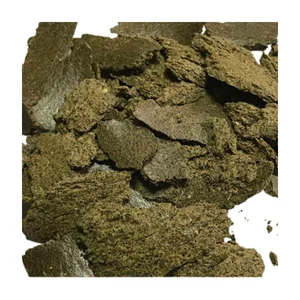
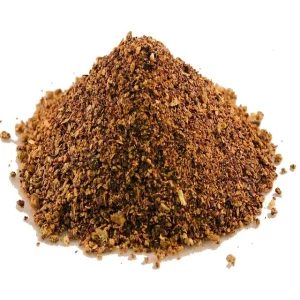
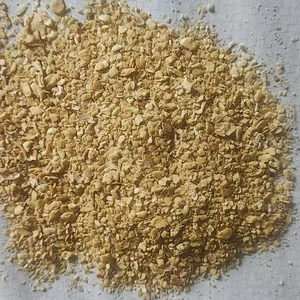
The commercial deployment of Rapeseed Meal and Canola Meal products spans across premium animal feeds. De-oiled cakes containing 38% to 40% protein offer an optimal amino acid balance for high-yield dairy cows and aquaculture feeds, stimulating healthier growth cycles while reducing reliance on wild marine feedstocks.
China Industry 4.0: Supply Chain Resilience & Extraction Excellence
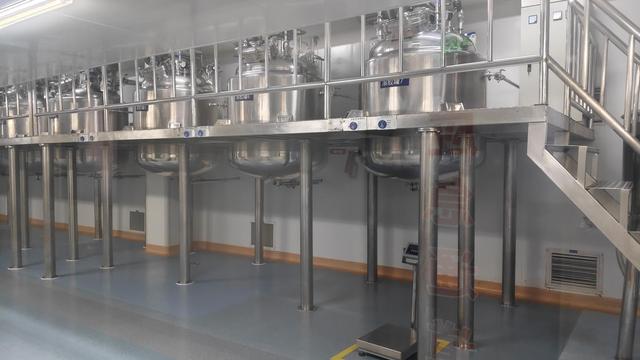
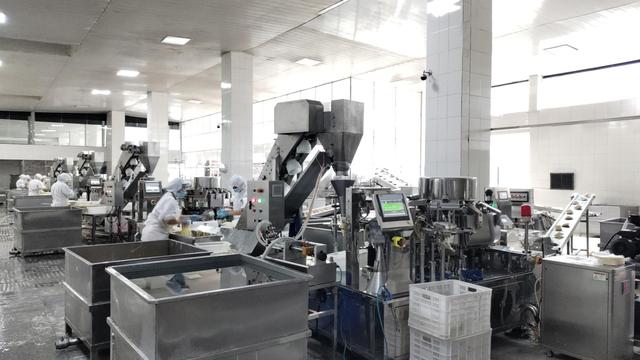
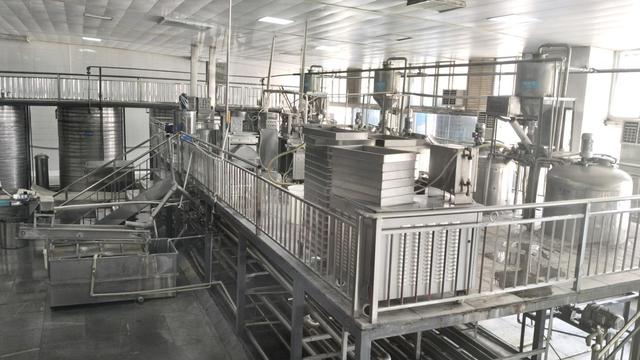
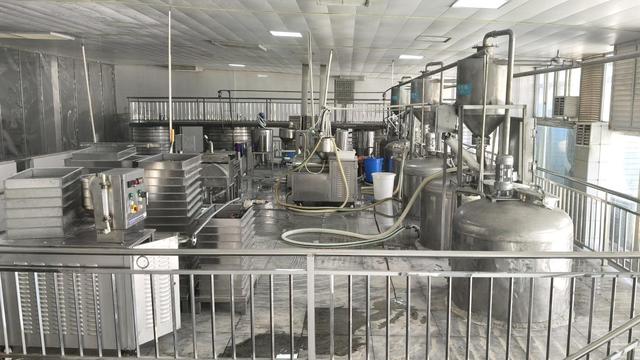
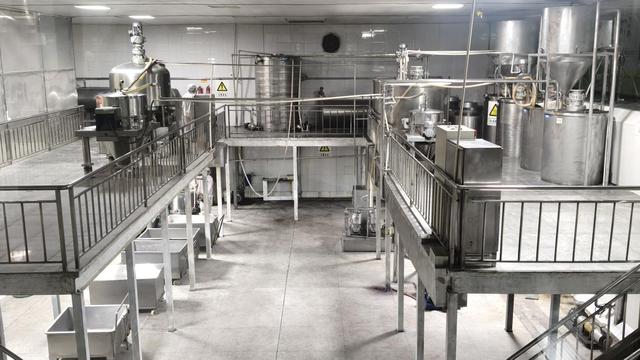
Dongguan Tsrel Biology Co., Ltd. represents the modern paradigm of Chinese vegetal protein manufacturing. By combining Industry 4.0 automated processing plants with robust, deep-integration logistics pathways, the company delivers consistent raw material sourcing, chemical assay consistency, and batch-to-batch repeatability to international distributors.
Equipped with state-of-the-art closed-loop separation lines, Dongguan Tsrel Biology eliminates microbial exposure risks while ensuring high yield extraction. The factory operates under strict ISO 22000, HACCP, and GMP standards, ensuring compliance with both the FDA and European food safety regulations.
Our comprehensive R&D capabilities allow customized adjustments of the cruciferin-to-napin ratio. This delivers targeted structural outcomes—whether you need high solubility for acidic beverages or strong thermal gelling for vegan meat applications.
Why Partner With Us?
- Stable year-round raw material buffer stocks
- Advanced membrane filtration & solvent extraction
- Fully customizable organoleptic (taste/odor) profiles
- Carbon-neutral processing goals for ESG compliance
- Direct global logistics and custom clearing assistance




Industrial Application Scenarios
From food tech innovations to clean-label meat analogues and specialty nutrition formulas, canola protein delivers unmatched functionality across modern industrial sectors.
Plant-Based Dairy
Utilizing low-molecular-weight napin proteins enables the stabilization of emulsions in plant-based milks, creamers, and yogurts. The protein prevents syneresis, maintaining smooth mouthfeel and texture without curdling in high-acid setups.
Clean-Label Meat Analogues
When heated, cruciferin forms high-strength irreversible gel networks. This properties are utilized to bind water and fats in meat alternatives, providing an elastic chew and texture profile similar to animal muscle tissue.
Sports Nutrition & Fortification
Hydrolyzed Canola Protein isolates are easily integrated into RTD (Ready-To-Drink) beverages and dry mixes. The high concentration of BCAAs (Branched-Chain Amino Acids) speeds up muscle recovery times, offering a vegan-friendly clean fuel alternative.
Knowledge Base: Frequently Asked Questions
Expert answers to technical inquiries regarding canola protein processing, specifications, global exports, and compliance standards.
Explore Related Processing Equipment & Co-Products
From processing machinery to high-purity oils and packaged supplements, we support the entire value chain of the seed crushing and refining industry.