Choosing the right vegetable protein supplier is crucial. According to Dr. Emily Harper, a leading expert in plant-based nutrition, "Quality and reliability are key in selecting a supplier." Her insights highlight the need for careful evaluation.
When considering how to select a reliable vegetal protein supplier, there are various factors to bear in mind. First, assess their sourcing practices. Are the proteins sourced sustainably? Transparency is essential in today’s market. Look for suppliers who openly share their sourcing details. This forms a solid foundation of trust.
Secondly, evaluate the supplier's certifications and manufacturing processes. Do they adhere to industry standards? A reputable supplier should have the necessary certifications and a commitment to quality control. However, it’s also important to reflect on past experiences with suppliers. Did they meet your expectations? Were there any inconsistencies? Thoughtfully analyzing these points can lead to more informed decisions in the future.
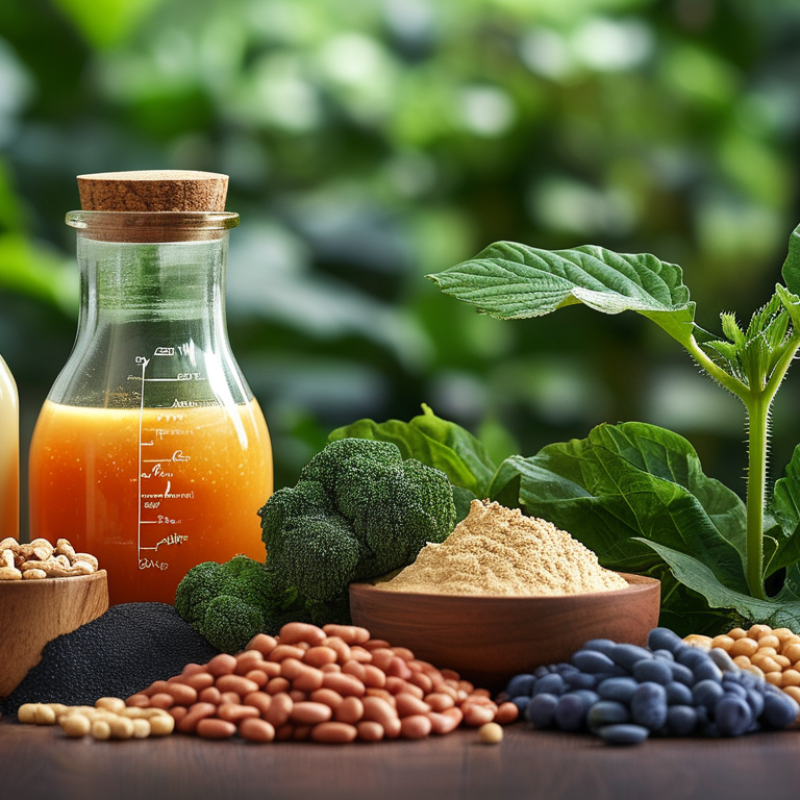
Understanding the Importance of Quality in Vegetable Protein Sourcing
Quality plays a crucial role in sourcing vegetable proteins, especially as demand increases. The global plant-based protein market was valued at approximately $11.6 billion in 2021 and is projected to reach around $27.9 billion by 2027. This rapid growth emphasizes the need for reliable sourcing practices. Selecting a trusted supplier means prioritizing quality over cost. Producers must understand that cheaper ingredients often compromise nutritional value and purity.
Testing and certifications are vital in ensuring quality. Suppliers should provide transparency regarding their sourcing practices. Research by the Food and Agriculture Organization highlights that contaminants in protein sources can lead to health risks. Regular testing for heavy metals and microbiological purity is essential. High-quality vegetable proteins contribute not only to better health outcomes but also to consumer trust.
However, finding a reputable supplier can be challenging. Issues of traceability and environmental sustainability must be addressed. Reports indicate that over 25% of vegetable protein sources lack clear traceability. This lack affects consumer trust. Suppliers must demonstrate their commitment to ethical practices to strengthen their market position. Understanding these nuances is key to making informed decisions in vegetable protein sourcing.
Identifying Key Certifications and Standards for Vegetable Protein Suppliers
Choosing a trusted vegetable protein supplier requires careful evaluation of certifications and standards. Look for suppliers who have recognized certifications, such as ISO 22000 or FSSC 22000. These certifications indicate a commitment to food safety and quality management. It’s crucial to verify their compliance with these standards. Sometimes suppliers may claim certifications without proper verification.
Check for additional certifications like Non-GMO or organic labels. These can provide assurance about the quality and sourcing of the protein. Suppliers that meet these standards often have robust sourcing practices. However, not every supplier prioritizes such transparency.
Maintaining open communication with potential suppliers is essential. Ask about their sourcing practices, quality control measures, and any third-party audits. Sometimes, you may receive vague responses or insufficient information. This can be a red flag. Ensure that the supplier's practices align with your values and requirements for quality vegetable protein. Finding the right supplier may take time and effort, but it’s worth it for peace of mind.
Evaluating Supplier Transparency: Ingredient Sourcing and Traceability
Evaluating supplier transparency is crucial when selecting a vegetable protein supplier.
Ingredient sourcing and traceability are key elements. According to a recent industry report,
78% of consumers prioritize knowing the origin of their food. They want assurances that their
products are safe and sustainably sourced. Suppliers must provide accessible information
regarding their sourcing practices.
Traceability in the supply chain helps ensure quality control. Reports indicate that 47% of
consumers would switch brands if they found lack of transparency. This is a powerful
indicator of the market's expectations. Tracking the journey of ingredients from farm to
final product builds trust. Suppliers should be prepared to share detailed documentation,
including certificates of analysis and sourcing histories.
However, not all suppliers can effectively demonstrate this transparency. Some may present
incomplete information. This leads to questions about their reliability. Ensuring that a
supplier is open about their practices requires diligence. Consumers and businesses alike
must ask for specifics, demanding honesty in every step of the supply chain. In an industry
where trust is paramount, transparency should never be overlooked.
Assessing Supplier Production Practices for Sustainability and Safety
When selecting a vegetable protein supplier, it is crucial to assess their production practices. A recent survey indicated that 75% of consumers prioritize sustainability in their food choices. Suppliers must demonstrate commitment to eco-friendly techniques. This includes sourcing ingredients from certified organic farms. Transparency in their sourcing practices is essential.
Safety is another significant aspect to consider. According to industry reports, nearly 25% of food safety issues stem from inadequate production standards. Suppliers should adhere to established safety practices. Regular third-party audits can instill confidence that the products are safe.
Additionally, assessing a supplier’s water usage and management practices is vital. Reports show that agriculture consumes over 70% of fresh water globally. Sustainable practices like efficient irrigation and rainwater harvesting can reduce environmental impact. Such measures reflect a supplier's commitment to long-term sustainability. Engage with suppliers about their practices. Open dialogue can reveal insights into their sustainability and safety measures.
Comparing Market Prices and Quality Metrics for Vegetable Protein Products
When selecting a reliable vegetable protein supplier, price and quality metrics play a crucial role. Market prices vary significantly across suppliers, influenced by factors like sourcing and processing methods. Some suppliers may offer lower prices, but this could indicate lower quality. It's important to analyze the nutritional content, processing techniques, and sourcing practices of potential suppliers. Look for transparency in their practices, as reputable suppliers often share detailed information about their products.
Quality metrics, such as amino acid profiles and certifications, should guide your decisions. Products that meet high standards in testing for contaminants and nutritional value are more reliable. Comparing these metrics between different suppliers can reveal discrepancies. Some may claim high protein content, but understanding the breakdown of protein sources helps assess true value. Keep an eye out for reviews from other customers or industry experts to gauge their experiences. Trustworthy suppliers often have a solid reputation backed by positive feedback.
Pricing alone isn't enough. It's a balancing act between cost and quality. Finding the right supplier requires careful consideration of these factors. Reflecting on what aspects matter most to your business can guide you in choosing a supplier that aligns with your standards. Ensuring your vegetable protein comes from trustworthy sources can enhance your product's integrity and consumer trust.
FAQS
: Supplier transparency helps consumers know where their food comes from. It builds trust and ensures safety in products.
Traceability ensures that ingredients can be tracked from farm to product. This helps maintain quality and safety standards.
Look for certificates of analysis and sourcing histories. Detailed documentation indicates a supplier's credibility and reliability.
A lack of transparency can lead to doubts about product quality. Consumers may switch brands if they feel misled.
Assess amino acid profiles and certifications. Check for testing results on contaminants and nutritional values.
Not necessarily. Lower prices may indicate lower quality. Analyze sourcing and processing methods before deciding.
Reviews from customers or industry experts can provide insights. Positive experiences often suggest a trustworthy supplier.
Pricing is essential but should not compromise quality. Consider both aspects to find a suitable supplier for your needs.
Conclusion
When considering how to select a reliable vegetal protein supplier, it is crucial to prioritize quality and transparency in sourcing. Understanding the importance of quality in vegetable protein sourcing involves recognizing how it affects both nutrition and overall product integrity. Key certifications and industry standards play a vital role in ensuring that suppliers adhere to best practices and provide safe, high-quality products.
Additionally, evaluating supplier transparency regarding ingredient sourcing and traceability is essential for establishing trust. This includes assessing their production practices to ensure sustainability and safety. By comparing market prices and quality metrics, businesses can make informed decisions, ultimately helping them find a supplier that meets their specific needs and maintains high standards in the vegetable protein market.
