Choosing the right vegetal protein ingredient can significantly impact nutrition and food quality. With a rising interest in plant-based diets, understanding how to choose the right vegetal protein ingredient is essential. Not all proteins are created equal. Factors such as amino acid profiles, digestibility, and source sustainability play crucial roles.
Vegetal proteins come from various sources, including legumes, grains, and seeds. Each offers unique benefits and potential downsides. For example, soy protein is widely recognized for its completeness but may cause allergies in some. On the other hand, pea protein is gaining popularity for its digestibility and environmental benefits. Consumers should not overlook these factors.
Additionally, processing methods affect the final product's quality. Some processes strip away nutrients, while others preserve them. Therefore, it's crucial to evaluate not just the ingredient itself, but also the production methods used. By being informed, you can make better choices that align with your health goals and values.
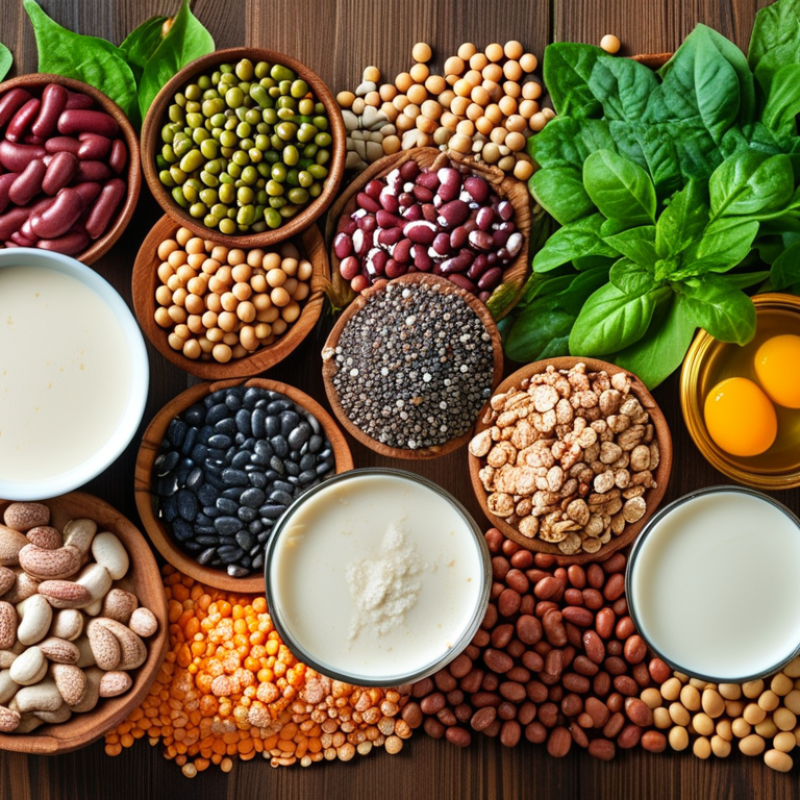
Plant-based proteins are becoming increasingly important in modern diets. A 2021 report by the Good Food Institute revealed that the plant-based protein market grew by 27% in just one year. This shift reflects a growing awareness of health and environmental concerns associated with animal protein consumption. Plant-based proteins offer essential amino acids and can improve overall diet quality. Moreover, they are often lower in saturated fat and cholesterol.
However, not all plant proteins are created equal. Some sources, like legumes, provide high fiber and micronutrients, while others may fall short. A study conducted by the University of California found that individuals consuming varied plant proteins had better health outcomes. Many people still rely heavily on processed plant-based products, which can lack nutritional value. Understanding the nutritional profiles of different plant proteins is crucial for maximizing health benefits.
Choosing the right ingredients can be challenging. A mix of protein sources ensures a complete amino acid profile. Those focusing solely on one type, like soy, may miss out on other vital nutrients. Awareness of these details can lead to healthier dietary choices. As trends evolve, re-evaluating our plant protein sources remains essential for achieving a balanced diet.
Choosing the right plant protein can be overwhelming. Various sources offer different nutritional benefits. Common types of plant proteins include soy, pea, and brown rice. Each has distinct amino acid profiles.
Soy protein is a complete protein, containing all nine essential amino acids. It is rich in isoflavones, which have potential health benefits. However, some people may be allergic to soy. Pea protein is gaining popularity. It is easily digestible and contains iron. Yet, it lacks some essential amino acids, requiring combination with other sources.
Brown rice protein is another option. It is hypoallergenic and gluten-free. While it is low in lysine, it works well with legumes. This combination emphasizes the importance of varied diets. Each protein source has its strengths and weaknesses. An optimal choice requires careful consideration of individual dietary needs and preferences.
Selecting the appropriate vegetal protein is more than just dietary choice; it significantly impacts health and well-being. Research shows that protein quality affects muscle maintenance, immune function, and metabolic health. The protein digestibility-corrected amino acid score (PDCAAS) is a common measure of protein quality. Amino acids are vital for various body functions, and poor-quality proteins can lead to deficiencies.
According to a 2021 report by the Global Protein Report, around 25% of consumers prefer plant-based protein sources. However, not all vegetal proteins are equal in amino acid profiles. For instance, legumes are rich in fiber and protein, but they lack certain essential amino acids. On the other hand, quinoa is a complete protein, offering all nine essential amino acids necessary for human health. This disparity emphasizes the need to choose high-quality protein sources for optimal well-being.
Nutritional experts recommend a diverse diet that includes various plant-based proteins to cover all essential amino acids. Focusing solely on one source may lead not only to nutritional gaps but also digestive issues like bloating. Understanding the impact of protein quality is crucial for anyone aiming to enhance their diet. Engaging with these findings fosters a deeper appreciation of how subtle choices may significantly influence health outcomes.
Choosing the right vegetal protein ingredient plays a fundamental role in promoting sustainability. Plant proteins require significantly less land and water compared to animal-based proteins. For example, lentils need just 2,000 liters of water per kilogram, while beef demands close to 15,000 liters. These stark differences show how plant proteins contribute to conserving precious resources.
Furthermore, plant proteins help reduce greenhouse gas emissions. Studies indicate that plant-based diets may cut carbon footprints by up to 50%. Shifting to plant proteins can be a practical solution for mitigating climate change. However, it's essential to select the right sources of plant protein to maximize these benefits. Not all crops are created equal; some have much higher environmental impacts than others.
Reflection is necessary as we navigate this transition. Are we considering the full environmental costs? For instance, soy might present issues with deforestation if not sourced responsibly. Awareness of these complexities is critical. Careful sourcing of plant proteins can yield immense benefits for both our health and the planet.
When it comes to dietary choices, the selection of the right plant protein is crucial. Each individual has different nutritional needs. For example, athletes may require higher levels of branched-chain amino acids, while those seeking weight loss may prefer proteins with lower caloric content. A report from the Plant-Based Foods Association indicates that plant-based protein consumption increased by 27% from 2020 to 2021. This growth demonstrates a rising awareness of the benefits of plant proteins.
Choosing the right ingredient can enhance not only nutritional intake but also health outcomes. Many people may not realize that not all plant proteins are created equal. For instance, pea protein offers a high protein digestibility-corrected amino acid score (PDCAAS), making it more effective for muscle recovery. In contrast, rice protein may lack some essential amino acids, which could leave gaps in dietary needs. Reports suggest that over 20% of people don’t meet their daily protein needs through common food sources.
Considering specific dietary needs requires an informed approach. Some individuals may experience digestive discomfort with certain proteins. For example, soy protein can cause allergies and intolerances for some. Understanding these nuances is essential for building a balanced plant-based diet.
: Common types include soy, pea, and brown rice. Each has unique nutritional benefits.
Soy protein is complete, containing all essential amino acids. It's rich in isoflavones.
Some people may have allergies to soy. This can limit its use for certain individuals.
Pea protein is easily digestible and contains iron. However, it lacks some essential amino acids.
Brown rice protein is hypoallergenic and gluten-free. It pairs well with legumes for nutrition.
Plant proteins require less land and water than animal proteins. They help reduce greenhouse gas emissions.
Lentils need about 2,000 liters of water per kilogram, while beef needs around 15,000 liters.
Some crops have higher environmental impacts. Responsible sourcing can enhance sustainability benefits.
Athletes may need higher levels of branched-chain amino acids for better performance and recovery.
No, plant proteins vary in digestibility and amino acid profiles. Some may not meet daily protein needs adequately.
Choosing the right vegetal protein ingredient is crucial for anyone aiming to integrate plant-based proteins into their diet effectively. Understanding the importance of plant-based protein involves recognizing the various types available and their unique nutritional profiles, which can significantly impact overall health and well-being. High-quality proteins not only provide essential amino acids but also contribute to sustainability by reducing the environmental footprint of our diets.
When considering how to choose the right vegetal protein ingredient, it's important to evaluate personal dietary needs and preferences. Different plant proteins come with varying benefits, and selecting the appropriate one can enhance nutritional intake while supporting environmental goals. Additionally, this choice plays a vital role in promoting a balanced diet and ensuring optimal health outcomes, making it essential to be informed and mindful in the selection process.
