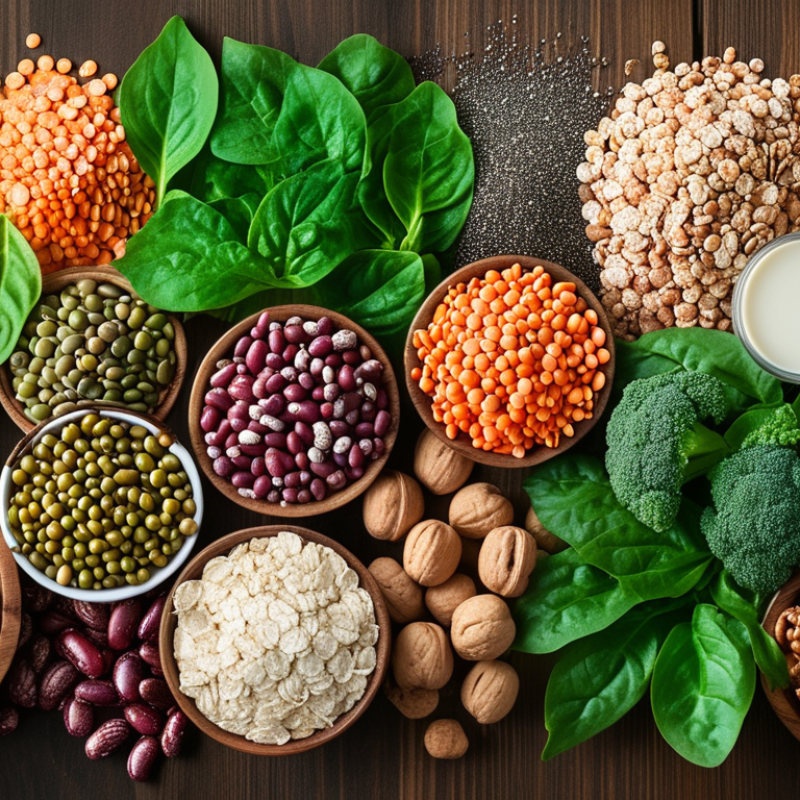
Understanding what factors affect plant protein quality is crucial for nutrition and culinary applications. Plant proteins are diverse, sourced from legumes, grains, nuts, and seeds. Each source offers unique benefits and amino acid profiles. However, not all plant proteins are created equal.
Several elements influence protein quality. The type of plant, soil conditions, and climate all play significant roles. For instance, soil rich in nutrients can enhance protein content and amino acid availability. Genetic makeup also determines the protein profile of various plant species.
Dietary methods and processing techniques can further impact quality. Cooking, fermentation, and other preparation methods can either enhance or diminish protein uptake. Therefore, understanding these nuances is vital for optimizing health and nutrition. Addressing these aspects invites deeper reflection on our food choices and agricultural practices.
Factors Affecting Amino Acid Composition in Plant Proteins
Plant proteins are gaining attention for their nutritional value and sustainability. However, their amino acid composition can vary significantly based on several factors. The type of plant, soil quality, and environmental conditions greatly influence the levels of essential amino acids. For instance, legumes typically have higher lysine content than grains, while grains provide more methionine.
Nutrient availability in the soil shapes these profiles. High nitrogen levels can boost protein synthesis in plants, leading to better amino acid profiles. Water stress may impact protein yields and their composition as well. Interestingly, even the timing of harvest can change these crucial amino acid levels.
When selecting plant-based proteins, pay attention to variety. Different species will offer unique amino acid profiles. Diversifying your protein sources can help achieve a more balanced intake of essential amino acids. Consider adding a wide range of legumes, nuts, and seeds to your diet to maximize nutritional benefits. Remember, not all plant proteins are created equal. Understanding these factors can help you make informed dietary choices.
Impact of Environmental Conditions on Plant Protein Quality
Environmental conditions play a critical role in the quality of plant proteins. Factors such as soil composition, temperature, and water availability directly impact nutrient absorption by plants. For instance, nutrient-poor soils may lead to lower protein content in crops. This can significantly affect the overall quality of plant-based diets.
Temperature extremes can inhibit protein synthesis in plants. High heat can denature proteins, while cold temperatures can slow metabolic processes. These conditions affect both the quantity and quality of proteins produced. Additionally, water stress can lead to reduced protein yields. Plants under drought conditions often prioritize survival over protein synthesis.
There are also challenges in measuring protein quality. Different plants offer varying protein digestibility and amino acid profiles. This makes it hard to establish a one-size-fits-all standard. Researchers are exploring genetic modifications to enhance protein quality in response to these environmental stressors. However, ethical considerations arise with these interventions, prompting ongoing debates within the scientific community.
Impact of Environmental Conditions on Plant Protein Quality
Role of Genetic Makeup in Determining Plant Protein Characteristics
The genetic makeup of plants plays a crucial role in determining the quality of their proteins. Studies show that variations in specific genes can lead to significant differences in amino acid profiles. For instance, the content of essential amino acids in soybean can vary by over 20% due to genetic factors. This variability impacts both nutritional value and suitability for various dietary needs.
Different plant species exhibit unique genetic traits that influence protein structure and digestibility. Research indicates that certain genetic modifications enhance protein solubility, allowing better absorption in the human body. However, not all genetic traits are advantageous. Some may lead to lower protein yields or undesirable flavors, highlighting the need for careful selection in breeding programs.
Plant breeders focus on optimizing these genetic factors to improve protein quality. Analyzing genome sequencing data can help identify genes that contribute to desirable protein characteristics. Despite advancements, challenges remain. Balancing yield and quality is complex. Continuous research is essential to navigate these genetic influences effectively, ensuring that plant protein sources meet the growing demand for nutritious food.
Processing Techniques and Their Effect on Protein Quality in Plants
Processing techniques significantly impact the quality of plant proteins. Different methods can enhance or diminish protein digestibility. For instance, heat treatments such as roasting or boiling can denature proteins, making them more digestible. However, excessive heat can lead to nutrient loss, reducing the overall protein quality.
Fermentation is another processing technique gaining attention. Studies show that fermentation can improve amino acid profiles and increase bioavailability. For example, fermented soy products exhibit improved protein quality compared to their unfermented counterparts. This change is often linked to the breakdown of complex sugars, which can inhibit protein absorption.
Traditional methods like soaking and sprouting are also noteworthy. These techniques can reduce anti-nutritional factors that adversely affect protein utilization. According to recent findings, sprouted legumes showed a significant increase in protein digestibility, averaging over 10% higher than unsprouted. Despite their benefits, these methods require careful control of time and temperature to avoid potential losses. It's essential to evaluate processing choices critically to optimize plant protein quality.
Nutritional Value Comparisons Between Different Plant Protein Sources
Plant proteins are gaining attention for their nutritional value, but not all sources are equal. Soybeans, lentils, and quinoa stand out in protein content and amino acid profiles. According to the Food and Agriculture Organization (FAO), soybeans provide around 36-40% protein, making them a leading source among plants. Lentils offer about 25%, while quinoa provides around 14%. This discrepancy highlights the importance of choosing the right plant protein sources for optimal nutrition.
Another aspect to consider is amino acid completeness. Animal proteins are complete, containing all essential amino acids. Plant proteins, however, can be limited in certain amino acids. While soybeans are complete, other sources like beans and pea protein may lack lysine or methionine. A study published in the Journal of Nutrition emphasized the need for combining different plant proteins to achieve a balanced amino acid intake. This combination can enhance both the quality and digestibility of the protein consumed.
Moreover, some plant proteins might come with anti-nutritional factors, which can interfere with absorption. For instance, phytates in legumes can bind minerals and reduce their bioavailability. This raises questions on whether certain plant protein sources are truly beneficial. Individuals should consider their dietary habits and preferences. Balancing various plant proteins can help mitigate these issues while still providing necessary nutrients.
Conclusion
The quality of plant proteins is influenced by a variety of factors, including the amino acid composition, environmental conditions, genetic makeup, and processing techniques. Understanding what factors affect plant protein quality is crucial for optimizing their nutritional value. Variations in amino acid profiles can result from the specific plant species and their cultivation methods, while environmental factors such as soil type, climate, and water availability significantly impact protein synthesis and overall quality.
Additionally, the genetic makeup of the plants plays a vital role in determining the characteristics of the proteins they produce. Various processing techniques, such as heat treatment or fermentation, can also alter protein structures, affecting digestibility and nutritional benefits. Finally, comparing different plant protein sources reveals significant differences in their nutritional value, which is essential for making informed dietary choices.